
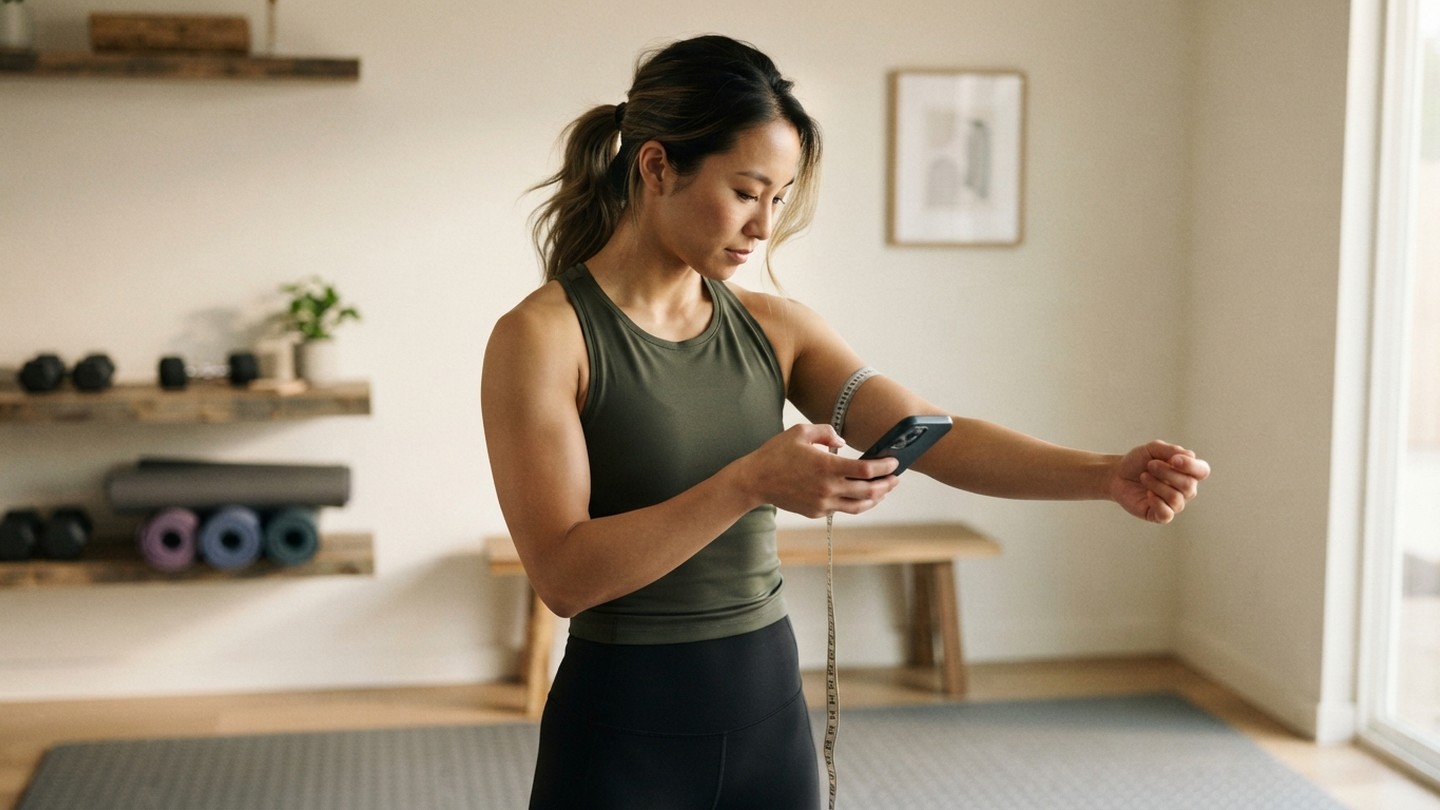
Storing your body measurements in a dedicated app protects your progress from lost notebooks or fading memory. Fitness apps keep your measurements organized, so you can see which routines really work-without losing track or making inaccurate comparisons.
Consistency matters for long-term goals. Manual records often slip on detail, causing missed adjustments. A 2023 systematic review notes that manual waist and hip measurements can vary up to 2 cm, even from the same person recording data. Apps provide precision you can revisit, not scattered slips that vanish.
How imprecise are measurements when recorded manually over time?
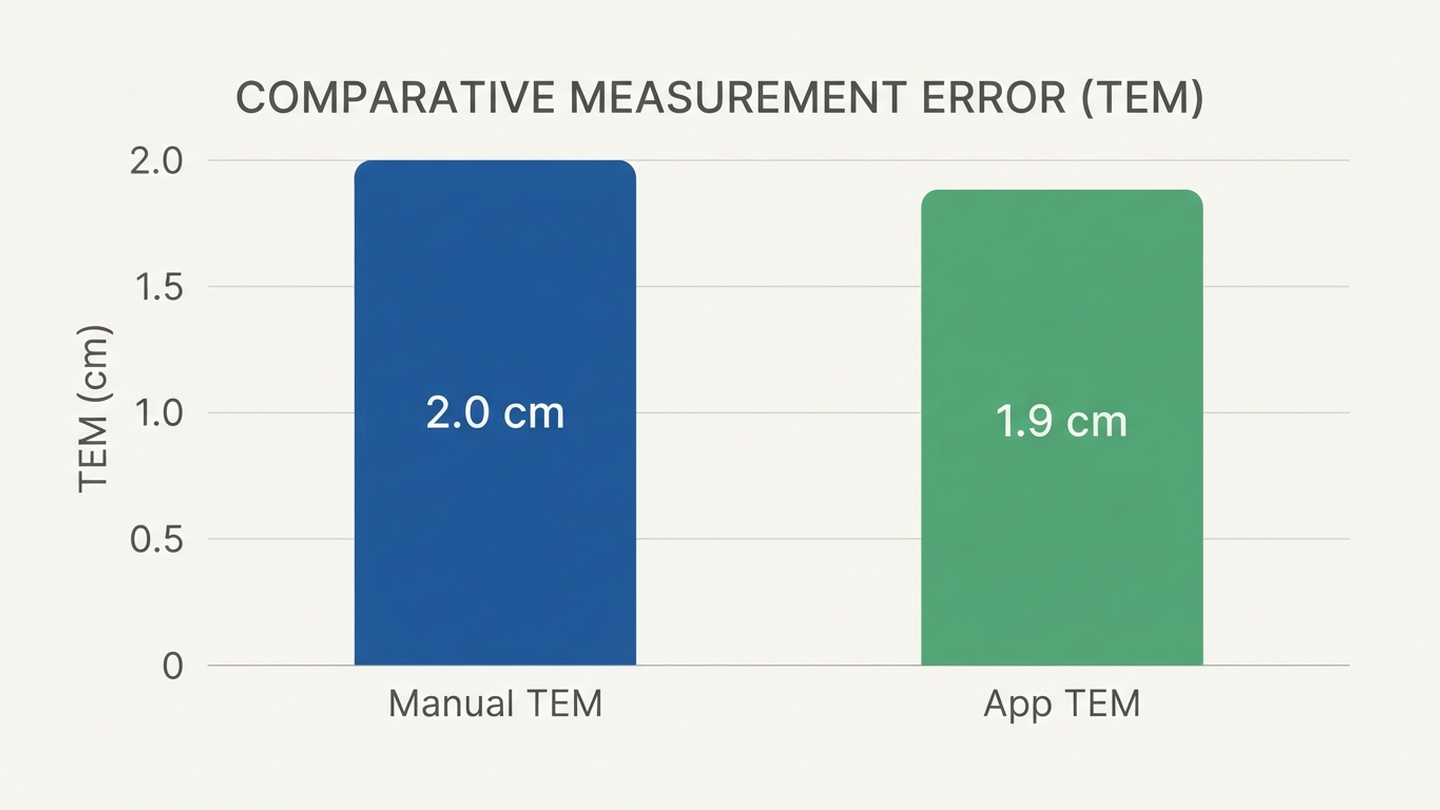
Manual tracking, whether on paper or in a generic phone note, brings human error. Your tape measurement may be precise one week and a bit off the next, even if you try hard. Studies have shown intra-observer error of up to 2 cm for waist and hip measurements taken by hand, meaning two readings taken minutes apart might still differ (2023 systematic review on digital anthropometry).
For example, if you measure your waist today and again later, you might not place the tape in exactly the same spot or pull with the same tension each time. Even writing a value slightly differently, misreading your own handwriting, or skipping a decimal adds up. Small changes in where or how you measure often become large inconsistencies over time, making slow trends difficult to trust. These inconsistencies can mask genuine progress, especially when you try to reflect back after months or a change of routine. Manual logs are vulnerable to gaps and ambiguities.
Can smartphone-based apps match the accuracy of tape measurements?
Smartphone apps designed for anthropometric data have reached intraclass correlation coefficients of at least 0.93, with a typical measurement error (TEM) between 0.5 and 1.9 cm for waist and hip circumference. This reliability means apps won’t introduce random error if you use them properly, letting you trust your trends month after month (2023 machine learning app comparison).
In practice, a good app will walk you through step-by-step measurements, reducing the chance you forget which point on your body or which tape tension to use. Some apps let you store photos, reminders, or even automatically verify you measured at the proper position. If mistakes do occur, digital records usually let you review, correct, or annotate previous entries, maintaining an unbroken chain of your changes. With paper logs, a single lost page can break your whole history.
This closes the gap between careful tape users and digital-only logs. In addition to matching paper, apps can even guide you through the right process each time.
What typical measurement errors affect waist and hip circumference tracking?
The main error is intra-observer variability-measuring slightly differently each time. Even careful manual logs accept tolerances up to 2 cm. With an app, the precision improves to 0.5-1.9 cm, which means less frustration about whether the change is real or just measurement noise. Measurement accuracy that sticks helps you trust your progress.
Another typical issue is forgetting to record at the same time of day, or under similar conditions (for example, after a meal versus first thing in the morning). Apps often prompt you to log at regular intervals or let you set reminders, encouraging both frequency and consistency. You might overlook a measurement on paper if your day is rushed, but consistent app reminders help you build habits that manual methods rarely sustain.
Why does data loss happen more often with paper or generic logs?
Paper notebooks get misplaced, pages tear out, and entries fade or get skipped. Generic spreadsheet files or phone notes can be deleted, get out of sync between devices, or disappear with a lost phone. There’s no backup, and searching for a past measurement becomes a chore instead of a tap.
Without a dedicated app, you might keep weeks worth of entries in a note-easy to delete, hard to search, and difficult to visualize progress over time. Real examples abound: many users misplace or damage their paper diaries; cloud-less spreadsheets get corrupted or left on defunct laptops. Apps designed for measurement sync your history to your account or a secure cloud, so you can restore them on a new device easily. History remains accessible, organized by date, and built-in tools let you revisit any entry.
No more missing entries: app-based logs keep every data point in order, whether you measured three days ago or three years back.
How does consistent digital storage improve long-term tracking?
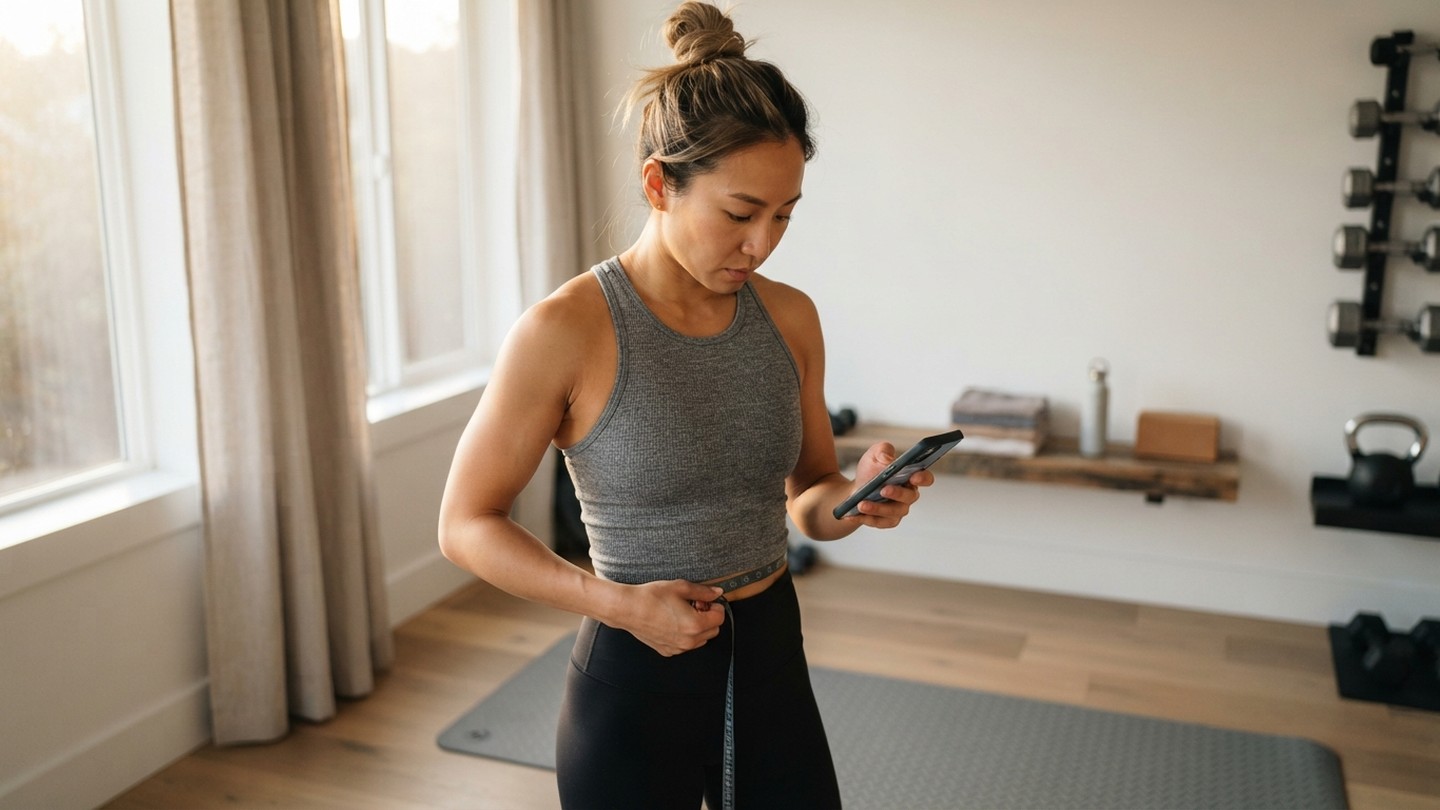
Unlike scattered logs or fuzzy memory, an app stores your entire measurement history in one place. You can instantly see trends, spot genuine changes, and never worry about losing years of progress to a spilled drink or folder mishap. From tape to trusted trend, your data stays safe-not scattered.
If you switch programs or decide to analyze previous results, all your measurements are organized and comparable. For example, you can visualize your waist and hip circumference changes over a year instead of piecing together scattered dates. It means small gains or sudden plateaus become obvious, giving you clear evidence for fitness, health, or nutrition adjustments. And, because the data is safe from hardware failure or loss, you retain confidence in your progress.
It's not just about data: digital logs give your streaks and setbacks equal visibility, making small gains count. And if you switch routines, accurate records let you compare real results rather than guess.
A tool like Roarer lets you log measurements and keep all your changes in one place, so you never waste time searching for the truth of your progress.